Minimizing Ping for Faster International Link Confirmation

Network Infrastructure and Latency in 2026 SEO
International link structure networks have actually changed considerably by 2026. The shift towards real-time indexation and AI-driven crawling ways that the physical area and speed of a Virtual Private Server (VPS) now determine the success of any digital campaign. High latency frequently results in timed-out connections or skipped crawls by search engine spiders, which effectively nullifies the value of a premium link. For experts running in the regional market, maintaining a low-latency connection to major data centers is no longer optional.Latency in 2026 is measured in single-digit milliseconds. When a server in a specific region efforts to communicate with a target website hosted in Europe or Asia, every hop across the fiber-optic network includes hold-up. This delay can result in "ghosting," where the link is present on the page but the online search engine bot times out before it can verify the outbound connection. To avoid this, high-performance SEO VPS setups now prioritize network topology over basic CPU core counts.
Technical Specifications for 2026 High-Performance VPS
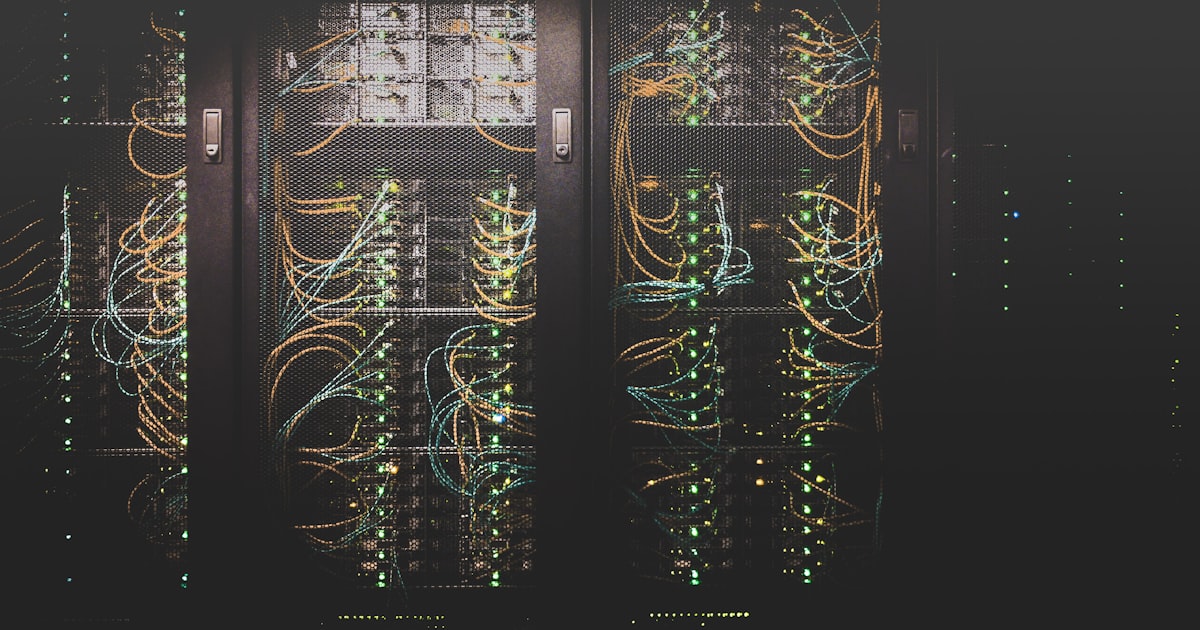
The hardware needed for managing substantial link networks has developed. In 2026, the requirement for a professional-grade SEO VPS starts with NVMe Gen 6 storage. These drives use read/write speeds that avoid I/O traffic jams during enormous database updates. When running automated marketing tools, the server should handle countless simultaneous small-file operations without slowing down.Memory has actually likewise seen a dive, with DDR6 RAM ending up being the baseline for high-concurrency environments. A VPS with 32GB of DDR6 can preserve larger caches, minimizing the need to pull data from the disk. This speed is essential when managing countless domains within a single control panel. Agencies focusing on Asia Virtual Solutions Servers frequently prioritize low-latency server areas to ensure bots index material immediately. Without this speed, the hold-up between publishing material and seeing it appear in search results page grows substantially, which can ruin the timing of time-sensitive projects.
The Value of 10Gbps Uplinks
In previous years, a 1Gbps connection sufficed for many SEO tasks. However, in 2026, the data overhead for modern websites-- which now include heavy 3D aspects and encrypted AI metadata-- requires 10Gbps in proportion uplinks. A symmetrical connection makes sure that the server can send out data as quick as it gets it. This is especially useful for scraping or mass-verifying links across different platforms in the metropolitan area. Network stability is additional maintained through multi-homed BGP (Border Entrance Protocol) routing. This permits the VPS to switch in between various web service providers if one path experiences congestion. If a fiber line in the neighboring region is cut or throttled, the server immediately reroutes traffic through a much faster path, keeping the link building network online.
Enhancing the Linux Kernel for High Concurrency
Running a basic Linux distribution like Ubuntu 26.04 LTS is an excellent start, but the default settings are hardly ever enhanced for the countless outgoing connections required for link building. Technical groups now perform kernel tuning to increase the "open files" limit and change the TCP stack. By shortening the TCP Fin-Timeout period, the server can reclaim closed ports quicker, permitting more frequent requests without striking a "connection declined" error.Success with Asia Virtual Solutions Dedicated GSA SER Infrastructure depends on the capability of the server to sustain 10-millisecond action times. This is achieved by using innovative congestion control algorithms like BBRv3 (Bottleneck Bandwidth and Round-trip propagation time) These algorithms maximize throughput by disregarding packet loss that doesn't in fact show blockage, which prevails in long-distance international networks.
Security and Proxy Integration
High-performance VPS systems in 2026 should likewise manage intricate proxy rotations. Latency often sneaks in throughout the handoff in between the VPS and the domestic or datacenter proxy. Utilizing SOCKS5 over UDP rather of conventional TCP can reduce some of this overhead. Due to the fact that link structure often includes engaging with diverse web architectures in the surrounding area, the server requires to manage these transitions without dropping the connection.
- NVMe Gen 6 storage for optimum I/O operations per second.
- DDR6 RAM for enormous data caching and concurrent process management.
- 10Gbps symmetrical uplinks to prevent bandwidth throttling.
- Edge computing placement to lessen the physical distance between the VPS and the target audience.
Geographical Distribution and Edge Computing

The idea of a single "master server" is fading. By 2026, link building networks use edge computing principles. Rather of one big server in a main place, agencies release "micro-VPS" nodes across numerous regions such as different parts of the country. This geographic variety offers two advantages: it mimics a natural user base and it decreases latency for localized crawling.When a search engine bot from a specific area gos to a website, it anticipates a fast action. If the link network is hosted on a server physically located 5,000 miles away, the bot might flag the website for bad efficiency. By distributing the load, the network ensures that response times remain consistent regardless of where the crawler originates.
Handling Resource-Intensive Internet Browsers
Link building in 2026 often includes headless web browsers that replicate real human interaction. These browsers, such as Chromium-based tools, are notoriously resource-heavy. They require significant CPU clock speeds to render modern JavaScript and WebAssembly aspects found on high-authority sites. A VPS with a high per-core clock speed (exceeding 4.5 GHz) is more reliable than a server with lots of slow cores. Technical efficiency in this location indicates the distinction in between a tool that can inspect 100 links per minute and one that can check 1,000. When the VPS is optimized, these browsers can run in a "headless" state across dozens of threads without causing the system to switch memory to the disk, which is a typical reason for server crashes in the tech sector.
Running System Choices in 2026
While numerous choose Windows for particular specialized software, a lot of high-performance SEO networks work on minimal Linux constructs. Removing the visual user interface (GUI) and unnecessary background daemons releases up roughly 15-20% of the system resources. In 2026, customized kernels that exclude motorists for hardware not found in a virtual environment prevail. This "lean" approach makes sure that every cycle of the CPU is dedicated to network jobs rather than system upkeep.
- Select an information center with direct peering to major Tier-1 internet companies.
- Execute hardware-based DDoS defense to prevent network downtime.
- Usage automated scaling to add resources during peak crawling durations.
- Validate that the VPS provider uses a 99.99% uptime warranty for the local market.
Future-Proofing the Network
As we progress through 2026, the integration of AI into server management is ending up being requirement. Self-healing VPS platforms can now detect when a particular network path is experiencing high latency and automatically move the virtual circumstances to a different physical host. This level of automation ensures that link structure networks remain "always-on" without needing constant human monitoring.The focus is no longer just on the quantity of links however the technical integrity of the network that supports them. A server that reacts rapidly and reliably informs search engines that the network belongs to the premium, modern-day web. Avoiding the "latency trap" is the main obstacle for SEO professionals who want to maintain a competitive edge in an increasingly busy digital environment. By investing in high-spec hardware and enhancing the network stack, companies can ensure their facilities supports their long-term development goals.